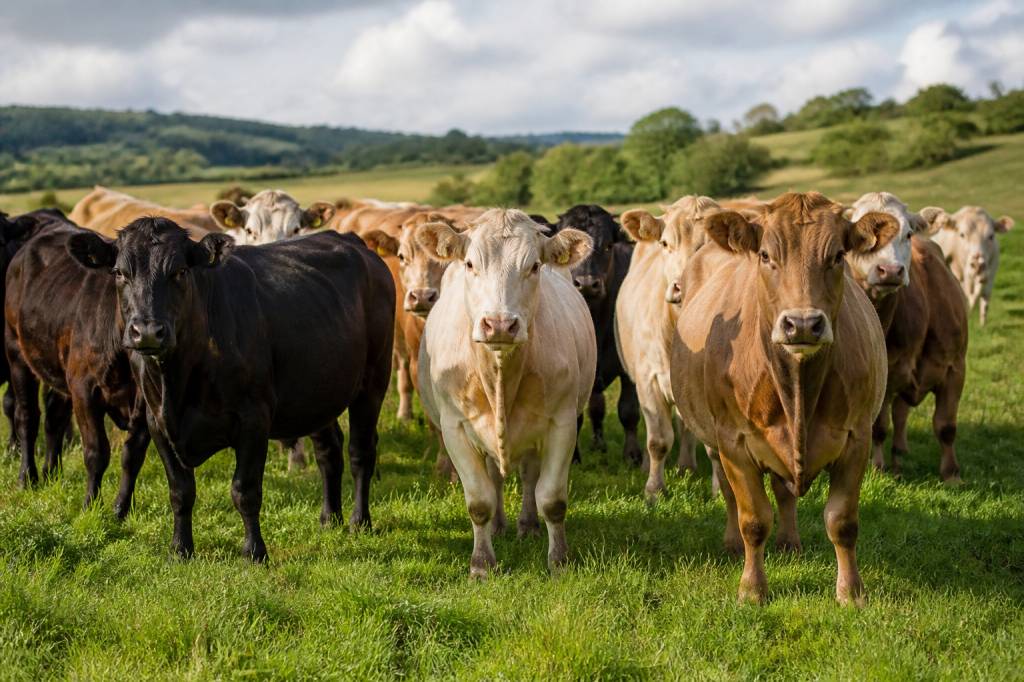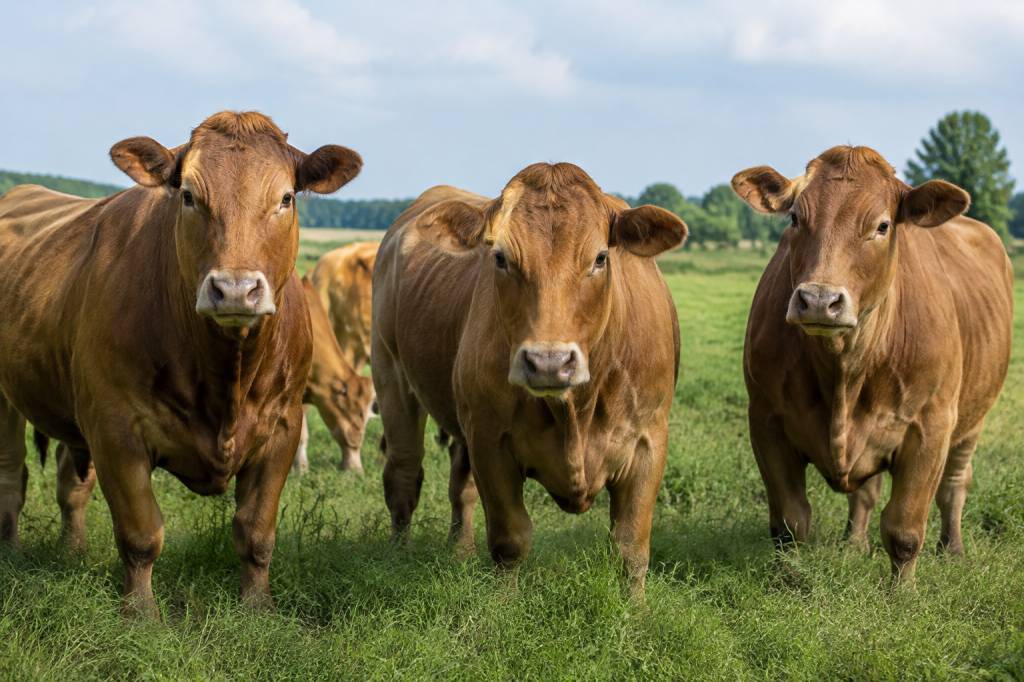
Brown cattle are often associated with traditional farms, open pastures and high-quality milk. Yet “brown cow” is not a breed category. It is a broad visual description covering animals with coats that range from honey and reddish-gold to dark chocolate. Some are specialized dairy producers, others are valued for beef, and several combine both purposes.
For farmers, livestock buyers and agricultural professionals, identifying the breed is more than a matter of appearance. Breed influences milk composition, growth rate, feed efficiency, calving performance, climate tolerance and carcass value. A brown coat may provide the first clue, but body shape, horns, facial markings and production history are equally important.
Why breed identification matters
The choice of cattle breed has direct operational consequences. A dairy farm focused on cheese production may prioritize milk with a high fat and protein content. A beef producer may instead look for rapid weight gain, muscular development and efficient feed conversion. Mixed farms often seek animals capable of producing milk while delivering acceptable beef value at the end of their productive life.
Breed identification also supports better herd management. Nutrition plans, housing systems and breeding strategies can be adapted to the animal’s genetic profile. For example, a heat-tolerant breed may perform better in a warm region, while a large dairy breed may require a more carefully balanced ration and comfortable housing.
There is one important limitation: color alone is not reliable. Crossbreeding has become common worldwide, and a brown-coated animal may carry genetics from several breeds. The most accurate approach combines visual observation with farm records, registration papers, ear tags or genetic testing.
Brown Swiss: the reliable dairy specialist
Brown Swiss is one of the best-known brown dairy breeds. Originating in the Swiss Alps, it is recognized for its solid frame, calm temperament and ability to perform under demanding conditions. The coat commonly varies from light gray-brown to dark brown, often with a lighter muzzle and a dark nose.
These cows are large and robust, with strong feet and legs. Their body structure reflects their mountain origins: they were developed to work and produce in environments where terrain and weather could be challenging. Brown Swiss cattle are not usually as sharply angular as some high-output dairy breeds, but they have strong capacity and good longevity.
The breed is particularly valued for milk used in cheese and other dairy products. Brown Swiss milk generally contains a favorable percentage of fat and protein, making it attractive to processors who pay according to milk solids rather than volume alone. Their milk is also associated with strong cheese-making performance.
- Typical color: Silver-brown, gray-brown or dark brown.
- Main use: Dairy production.
- Key strengths: Milk solids, durability, calm behavior and longevity.
- Identification clue: Large frame, dark muzzle and often a lighter ring around the nose.
From an operational perspective, Brown Swiss cattle can be a good fit for farms seeking consistent performance over several lactations. They may not always dominate comparisons based purely on peak milk volume, but their durability and milk composition can improve total herd economics.
Jersey: small, efficient and highly recognizable
Jersey cattle are among the most recognizable dairy animals in the world. Their coats range from fawn and light tan to reddish-brown, dark brown and nearly black. Many have a black muzzle surrounded by a pale or creamy area, which makes the face particularly distinctive.
Compared with larger dairy breeds, Jerseys have a smaller body size. This can reduce maintenance costs and allow farms to keep more animals on limited land, although stocking density must still be managed carefully. Their relatively low feed requirements are one reason they remain popular with pasture-based and family-run dairy operations.
The breed’s main commercial advantage is milk quality. Jersey milk is typically rich in butterfat and protein, which is valuable for butter, cream, premium drinking milk and cheese. A farm paid on milk solids may find Jersey cows especially attractive, even when their total milk volume is lower than that of larger breeds.
- Typical color: Fawn, reddish-brown, brown or almost black.
- Main use: Dairy production.
- Key strengths: High butterfat, feed efficiency and adaptability.
- Identification clue: Compact body, refined head, dark eyes and a light muzzle area.
Jerseys are also known for relatively easy calving, although individual management and sire selection remain critical. Their alert expression and active temperament can sometimes be mistaken for nervousness. In reality, well-handled Jerseys can be responsive and manageable, but they benefit from calm, consistent handling systems.
Guernsey: golden milk and a distinctive coat
Guernsey cattle originated on the Channel Island of Guernsey. They are generally reddish-brown or fawn, often with white markings on the face, legs or body. Some animals display a warm golden shade that is particularly easy to identify in a mixed herd.
Guernseys are medium-sized dairy cattle. Their production profile sits between smaller breeds such as Jersey and larger breeds such as Brown Swiss. They are known for producing milk with substantial butterfat and protein content, which gives it a strong position in specialty dairy markets.
The breed has historically been associated with milk containing a golden-yellow hue, linked to higher levels of beta-carotene. However, the exact color of milk can vary with feed, stage of lactation and individual genetics. It should not be treated as a guaranteed visual test of breed or quality.
- Typical color: Reddish-brown, fawn and white.
- Main use: Dairy production.
- Key strengths: Rich milk, moderate size and grazing ability.
- Identification clue: Warm coat color, white markings and a balanced, medium-sized frame.
For grazing systems, Guernseys can offer a practical combination of manageable size and useful milk solids. Their performance still depends on pasture quality, mineral management and the length of the grazing season. Breed potential cannot compensate for weak forage planning.
Red-and-White Holstein: the high-volume dairy option
Holstein cattle are usually associated with black-and-white markings, but Red-and-White Holsteins are an important exception. Their coats combine rich red or reddish-brown areas with white patches. In some animals, the red may appear dark enough to be described casually as brown.
The breed type is similar to that of conventional Holsteins: tall, angular and strongly specialized for milk production. Red-and-White Holsteins are widely used in commercial dairy systems where volume, genetic selection and automated milking are important performance factors.
They generally produce more milk by volume than brown-colored breeds such as Jersey or Guernsey, although milk fat and protein percentages may differ. Their size and production potential require a high-quality ration, effective hoof care, comfortable resting areas and close attention to metabolic health.
- Typical color: Red and white, sometimes appearing reddish-brown.
- Main use: High-volume dairy production.
- Key strengths: Milk yield, established genetics and broad commercial use.
- Identification clue: Large dairy frame with clearly defined red-and-white patches.
The practical lesson is straightforward: a red-and-white cow should not automatically be classified as a beef animal. In a dairy herd, coat color may reflect a specific Holstein genetic line rather than a different production purpose.
Normande: a dual-purpose breed with strong beef value
Normande cattle come from Normandy in France and are widely recognized as a dual-purpose breed. Their coats can be brown-and-white, red-and-white or brindled, with varying patterns across the body. The head often carries colored markings around the eyes, producing a distinctive “spectacled” appearance.
Normandes are valued for both milk and beef. Their milk contains useful levels of fat and protein, making it suitable for cheese production. At the same time, the animals develop a well-muscled body and can produce quality carcasses when managed for beef.
- Typical color: Brown-and-white, red-and-white or brindled.
- Main use: Dual-purpose dairy and beef production.
- Key strengths: Milk solids, muscularity and adaptability.
- Identification clue: Colored eye patches, patterned coat and substantial body.
This combination makes the Normande relevant for farms looking to reduce dependence on a single market. When milk prices weaken, beef value can support the business model. When beef demand changes, milk remains an important source of revenue. Such flexibility is increasingly useful in an agricultural sector exposed to volatile input costs and changing consumer demand.
Montbéliarde: robust dairy genetics with beef potential
Montbéliarde cattle are another French breed with a strong dual-purpose profile. They generally have a red-and-white coat, with a powerful body, broad chest and strong legs. The breed is particularly associated with the Jura region and with cheese production.
Montbéliarde milk is valued for its protein content and suitability for traditional cheeses. The animals are also recognized for their functional structure and ability to remain productive in varied farming environments. Their calves and cull animals can provide useful beef value, especially when genetics and feeding programs are well managed.
- Typical color: Red-and-white.
- Main use: Dairy and beef production.
- Key strengths: Cheese milk, structural soundness and carcass quality.
- Identification clue: Red patches, white head and a strong, well-developed frame.
For producers supplying dairies that reward protein and cheese-making characteristics, Montbéliarde genetics can be strategically interesting. The breed also appears frequently in crossbreeding programs designed to improve fertility, robustness or beef performance.
Red Angus: a leading brown-coated beef breed
Red Angus cattle are a beef breed developed from red variants of Angus genetics. Their coat ranges from light red to deep mahogany brown. Like Black Angus, they are naturally polled, meaning they typically do not have horns.
Red Angus cattle are known for their muscular development, efficient growth and carcass quality. Their compact but powerful build is easy to recognize: broad back, deep body and well-developed hindquarters. The head is usually relatively short, with a clean profile and no horns.
- Typical color: Red, mahogany or dark reddish-brown.
- Main use: Beef production.
- Key strengths: Marbling, growth, maternal performance and polled genetics.
- Identification clue: Solid red coat, muscular frame and naturally hornless head.
Red Angus is frequently used in crossbreeding because it can contribute growth, carcass traits and maternal qualities. The breed is also popular with producers who want Angus-related genetics while maintaining a red coat, which may offer practical advantages in some hot-weather environments, although coat color alone does not determine heat tolerance.
Hereford and other red-and-white beef cattle
Hereford cattle are usually identified by a red body and a white face, chest, underline and lower legs. While the breed is not uniformly brown, some animals may appear reddish-brown, especially in low light or at a distance. The white face is the most reliable visual clue.
Herefords are valued for hardiness, grazing ability and maternal performance. They have been used extensively in crossbreeding systems, where their genetics can contribute fertility, manageable temperament and adaptability. Polled Hereford lines are also widely established.
Other breeds may produce brown or reddish coats, including Devon, South Devon, Shorthorn and various regional or composite cattle. In many cases, the distinction requires more than a field inspection. A deep red coat, horns and body shape can narrow the possibilities, but registration data remains the safest reference.
How to identify a brown cow in the field
A practical identification process begins with the complete animal rather than the coat alone. Observe the following features:
- Coat pattern: Is the animal solid brown, red-and-white, brindled or patched?
- Body type: Does it have a lean dairy frame, a compact beef build or a balanced dual-purpose structure?
- Head and muzzle: Look for a black nose, pale muzzle, white face or colored eye patches.
- Horns: Their presence, shape or absence can help distinguish breeds.
- Size: Jersey cattle are compact, while Brown Swiss and many dual-purpose breeds are considerably larger.
- Production context: A cow in a milking parlor is likely part of a dairy or dual-purpose herd, but the environment is not definitive.
- Documentation: Ear tags, herd books and breeding records provide the most reliable confirmation.
Photographs can assist with preliminary identification, but they often hide important details. Lighting can change a red coat into a brown one, while mud can obscure white markings. For commercial decisions, visual assessment should support—not replace—traceability and breeding records.
Choosing the right breed for the business model
There is no universally superior brown breed. The right choice depends on the production system, climate, land availability, labor capacity and market outlet.
A cheese-focused dairy may prioritize Brown Swiss, Guernsey or Montbéliarde genetics because of their milk solids. A high-volume operation may prefer specialized Holstein lines, including Red-and-White Holsteins. A pasture-based farm may value Jersey efficiency or the grazing ability of a dual-purpose breed. Beef producers may focus on Red Angus, Hereford or other breeds selected for growth and carcass performance.
Economics should remain central. Feed cost, replacement rate, fertility, veterinary expenses and cull value can have a greater impact on profitability than the visual appeal of a coat. The most attractive brown cow in the field is not necessarily the most productive asset in the herd—and cattle management rarely rewards decisions based only on color.