


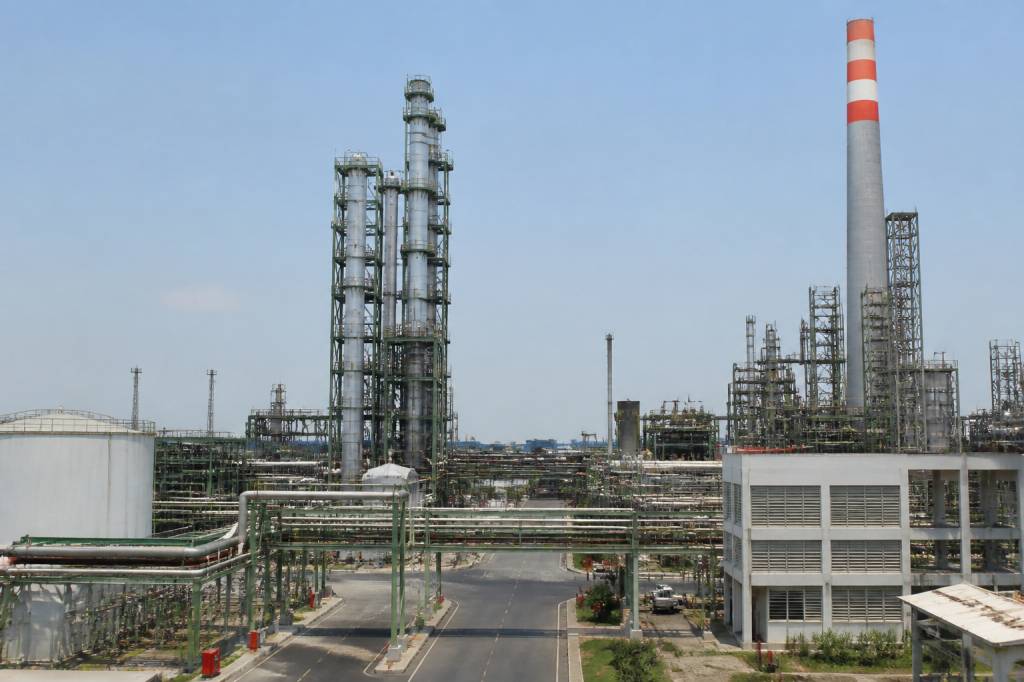
Aradel Holdings is not the kind of stock that usually dominates global financial headlines, yet for investors tracking African energy, upstream exposure, and the interplay between oil prices, production discipline, and shareholder returns, it deserves a closer look. The question is simple: where could the Aradel share price go from here, and what should investors pay attention to before making a decision?
The short answer is that Aradel’s share price forecast depends less on market noise and more on a handful of very concrete variables: crude oil prices, production volumes, operating efficiency, capital discipline, and broader sentiment toward Nigerian equities. In other words, this is not a stock to follow by gut feeling alone. It needs a numbers-first approach.
For investors, that is both the opportunity and the challenge. Aradel operates in a sector where one strong quarter can lift confidence quickly, but where a weaker production profile or policy surprise can reset expectations just as fast. So let’s break down what really matters.
What Aradel does, and why the market cares
Aradel is an integrated energy company with exposure to the upstream oil and gas value chain. That matters because companies like this are highly leveraged to commodity prices, but they also benefit when they control more of the value chain than a simple pure-play producer. Investors like that combination when the execution is sound: it can mean better resilience, stronger cash flow visibility, and potentially more attractive returns over time.
In practical terms, Aradel’s market valuation is influenced by whether it can consistently produce, transport, process, and monetize hydrocarbons efficiently. A company in this position is judged on operational performance first, and market sentiment second. If output rises and costs stay controlled, the share price usually gets support. If production stumbles, the market tends to punish quickly. No mystery there.
For investors who are used to tracking industrial stocks, the logic is familiar: the market rewards reliability, margin discipline, and assets that can keep generating cash even when conditions are volatile.
The main drivers behind the Aradel share price forecast
Forecasting a share price is never about predicting a single number with false precision. The better approach is to identify the key drivers and estimate how they might interact. For Aradel, five factors matter most.
-
Crude oil prices: higher oil prices generally improve revenue potential, but the benefit depends on realized prices, hedging, and operating costs.
-
Production growth: investors want to see stable or rising output, not just a good commodity backdrop.
-
Operating efficiency: lower lifting costs and efficient asset management can expand margins even in a flat price environment.
-
Capital allocation: are investments creating future cash flow, or simply absorbing cash without clear returns?
-
Market sentiment and liquidity: especially important for stocks on smaller or emerging markets, where valuation can move sharply on limited trading volume.
One useful way to think about it: oil price is the tide, production is the engine, and balance sheet discipline is the steering wheel. If any one of those weakens, the ride gets uncomfortable.
How oil prices shape the outlook
For upstream energy companies, oil prices are still the most visible variable in the equation. A sustained rise in Brent crude usually supports earnings expectations across the sector, while a drop can quickly compress margins and dampen valuation multiples. But investors should avoid assuming that every dollar change in oil automatically translates into the same impact on Aradel’s earnings.
Why? Because realized pricing depends on a mix of contractual terms, domestic market dynamics, export logistics, taxes, and operating structure. That is where the analysis gets more interesting. Two companies may sit in the same market and still have very different outcomes depending on how they manage costs and sales channels.
For Aradel, a stable or firm oil price environment is generally supportive. But the real upside comes when strong prices coincide with operational improvement. That is the kind of combination that can trigger a rerating. Investors looking for a catalyst should watch for evidence that the company is not just benefiting from the market, but actively improving its own performance.
Production growth: the metric that can change the narrative
Markets rarely reward a company for simply existing in a favorable sector. They reward growth. In Aradel’s case, production growth is one of the most important indicators of whether the share price can sustain momentum over time.
If output expands steadily, investors can begin to model stronger revenue, better cash generation, and more flexibility around dividends or reinvestment. On the other hand, production interruptions, asset downtime, or weak reserve replacement can lead to disappointment even if commodity prices remain relatively strong.
This is where operational execution becomes central. Energy investors may spend a lot of time discussing macroeconomics, but field performance still wins the argument. A company that can consistently hit volumes and control decline rates usually earns more trust from the market.
For investors following Aradel, the key question is not only “How much is oil worth?” but also “How much is the company actually producing, and how reliably can it maintain that level?” That distinction matters more than many retail investors realize.
Financial performance and valuation: what to monitor
When assessing a share price forecast, it helps to look beyond headline revenue growth. The market is usually more interested in profitability, cash flow, and valuation discipline. For Aradel, investors should focus on whether the company is converting operational strength into financial results.
Important items to watch include earnings before interest, tax, depreciation and amortization, operating margin, free cash flow, and leverage. A company can report decent revenue and still disappoint if costs rise too quickly or if capital spending fails to generate returns.
Valuation also matters. If the stock is already trading at a premium to regional peers, future upside may depend on a stronger-than-expected performance. If it trades at a discount, investors may be pricing in risk related to liquidity, execution, or country exposure. In markets like this, valuation is never just a spreadsheet exercise. It is also a reflection of confidence.
Investors should ask a simple question: is the market underestimating Aradel’s ability to deliver consistent cash flow, or is it correctly pricing the risks? That question often separates a good trade from a frustrating one.
Risks investors should not ignore
Every forecast needs a risk section, especially in energy. And here the risks are not theoretical. They are real, measurable, and capable of shifting sentiment fast.
-
Oil price volatility: a global price drop can quickly squeeze margins and reduce earnings expectations.
-
Operational disruptions: outages, maintenance issues, or infrastructure bottlenecks can affect production.
-
Regulatory and fiscal risk: changes in taxes, royalties, or licensing policy can alter returns.
-
FX and macroeconomic pressure: for investors in emerging markets, currency weakness can influence both costs and valuation.
-
Liquidity risk: smaller-cap or domestically listed stocks can experience sharper swings when buying or selling interest shifts.
There is also the simple fact that sentiment can turn faster than fundamentals. Sometimes a stock falls not because the business has deteriorated, but because investors reassess risk appetite. That is especially true in sectors tied to commodities and geopolitics. Energy markets do not offer many quiet weeks.
What a bullish scenario for Aradel could look like
A bullish case for Aradel would likely require several things to happen together. First, oil prices would need to remain supportive enough to preserve strong margins. Second, the company would need to demonstrate reliable production and perhaps modest growth. Third, investors would need to see that capital spending is disciplined and aligned with future cash generation.
If those conditions are met, the share price could benefit from both earnings growth and a better valuation multiple. That combination tends to be more powerful than either factor alone. In market terms, this is what “rerating” looks like: investors are willing to pay more for each unit of earnings because confidence improves.
In a bullish scenario, Aradel could also become more attractive to institutional investors who prefer companies with clearer operating visibility and stronger cash conversion. When that happens, liquidity can improve, and with it, valuation support. The market likes stories backed by numbers. Not always fair, but very real.
What a bearish scenario could look like
The bearish case is not complicated either. If oil prices weaken materially, if production slips, or if costs rise faster than revenue, the market may start to discount future earnings more aggressively. Add policy uncertainty or a broad risk-off move in emerging markets, and the share price could come under pressure even if the company remains operationally sound.
Another downside scenario would be execution slippage. For an energy stock, even a few missed operational targets can affect confidence. Investors do not need perfection, but they do expect consistency. That is especially true when the stock is being judged against a backdrop of sector volatility.
In a weaker scenario, the share price may still hold its ground if the company maintains strong cash generation and balance-sheet discipline. But the upside case becomes harder to argue if the market stops believing in near-term growth.
How investors should approach Aradel now
So what should investors actually do with all this information? The answer depends on horizon and risk tolerance. Long-term investors should focus on fundamentals: production trends, cash flow quality, and management execution. Shorter-term traders may care more about oil price movements, earnings releases, and market sentiment.
A sensible framework would be to monitor the following:
-
Quarterly production data and commentary on operational performance
-
Oil price trends, especially Brent direction and volatility
-
Cash flow generation and capital expenditure discipline
-
Debt levels and financing flexibility
-
Any regulatory developments affecting Nigeria’s upstream sector
It also helps to compare Aradel with peer companies in similar markets. Relative performance often reveals more than absolute numbers. If Aradel is improving faster than peers, the market may eventually notice. If it is lagging, there is usually a reason.
The bottom line for investors
Aradel’s share price forecast is best understood as a range of possible outcomes rather than a single target. The stock has upside potential if oil prices remain favorable, production remains stable or grows, and management continues to execute with discipline. But the risks are equally clear: commodity volatility, operational setbacks, regulatory shifts, and market sentiment can all move the price in either direction.
For investors, the smart approach is to treat Aradel as a fundamentals-driven energy stock rather than a momentum name. Watch the operating data. Follow the cash. Keep an eye on policy and oil prices. And remember that in the energy business, the difference between a strong forecast and a weak one is often a matter of execution, not rhetoric.
If you are looking for a stock where the story is written in production figures and financial statements rather than in marketing language, Aradel is worth keeping on the radar. The market may not be generous every day, but it is usually fair to companies that deliver.